Post-Operative Recovery: Tips for Optimal Orthopaedic Care
The Crucial Role of Correct Orthopaedic Care
Orthopaedic care is the secret sauce for speeding up healing and restoring quality of life:
The journey from the operating room to full recovery is a delicate dance—one that requires precision, patience, and unwavering commitment. As Cape Town orthopaedic surgeons, we recognize that our role extends far beyond the surgical procedure itself. It encompasses the critical phase that follows—the post-operative recovery.
1. Enhancing Tissue Healing and Minimising Complications
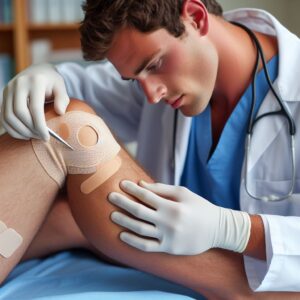
Correct orthopaedic care directly impacts tissue healing. When surgical incisions are meticulously managed, the risk of infection decreases significantly. Surgeons ensure that wound closure techniques minimise tension, promote blood flow, and reduce scar formation. Proper wound care, including sterile dressing changes, plays a pivotal role in preventing complications.
2. Early Mobilisation: A Game-Changer
Gone are the days of prolonged bed rest after surgery. Correct orthopaedic care encourages early mobilisation. Why? Because movement stimulates blood circulation, prevents muscle atrophy, and maintains joint flexibility. Whether it’s a knee replacement, hip arthroscopy, or shoulder repair, getting patients up and moving—within safe limits—is essential.
3. Pain Management: Balancing Comfort and Healing (Again)
We revisit pain management because it’s that crucial. Pain isn’t just an inconvenience; it can hinder progress. Correct orthopaedic care involves a holistic approach:
Patient Education: Empowering patients with pain management strategies—such as timed medication dosages—ensures consistent relief.
4. Individualised Rehabilitation Plans: The Magic Formula
Orthopaedic care isn’t a cookie-cutter process. Surgeons tailor rehabilitation plans to each patient’s needs. Here’s why customization matters:
Muscle Strengthening:Strengthening muscles around the surgical site accelerates recovery. It’s like building scaffolding for your joints.
Range of Motion: Gradual, guided movements restore joint flexibility. Physical therapists play a pivotal role here.
5. Psychological Well-Being: The Silent Healer
Correct orthopaedic care recognizes the emotional toll of surgery. Anxiety, frustration, and fear are real. Surgeons and therapists provide emotional support, assuring patients that healing is a holistic process.
6. Compliance: The Bridge to Success
Correct orthopaedic care hinges on patient compliance. Follow your surgeon’s instructions diligently:
Medications: Take them as prescribed. They’re not optional; they’re essential for healing.
Scheduled Follow-Ups: Attend every follow-up appointment. Surgeons assess progress, address concerns, and fine-tune the recovery plan.
Navigating the Healing Journey with Precision and Patience
Let’s explore essential strategies for optimal orthopaedic care, focusing on knee, hip, and shoulder procedures. Whether you’re a patient or a curious reader, let’s embark on this healing journey together.
1. Customised Rehabilitation Plans: Tailoring Recovery to You
Recovery isn’t a one-size-fits-all journey. Each patient’s needs are unique, influenced by factors like age, overall health, and the specific procedure performed. Cape Town orthopaedic surgeons emphasise personalised rehabilitation plans. Here’s what you need to know:
Physiotherapy: Your physiotherapist becomes your ally. They design exercises that strengthen muscles, improve joint flexibility, and enhance overall function. From gentle stretches to targeted movements, these sessions accelerate healing.
Home Exercises: Your surgeon provides a customised home exercise program. Consistency is key—perform your exercises diligently. They’re your passport to regain strength and mobility.
2. Pain Management: Balancing Comfort and Healing
Post-surgery discomfort is expected, but effective pain management ensures a smoother recovery. Consider these strategies:
Medications: Your orthopaedic surgeon prescribes pain-relieving medications. Follow the dosage instructions meticulously. Communicate any side effects promptly.
Non-Pharmacological Approaches: Ice packs, elevation, and rest play vital roles. Ice reduces inflammation, while elevation minimises swelling. Rest allows tissues to heal.
3. Nutrition: Fueling Recovery from Within
Your body craves nourishment during recovery. Optimise healing with these dietary choices:
Protein: Protein supports tissue repair. Include lean meats, fish, legumes, and dairy in your meals.
Vitamins and Minerals: Vitamins C and D aid collagen formation and bone health. Minerals like calcium and magnesium are essential.
4. Managing Expectations: The Art of Patience
Healing isn’t a sprint; it’s a marathon. Set realistic expectations:
Timelines: Understand that recovery takes time. Celebrate small victories—a pain-free day, improved range of motion, or reduced swelling.
Follow-Up Appointments: Attend all follow-up appointments. Your surgeon assesses progress and adjusts the plan as needed.
5. Avoiding Pitfalls: Navigating the Recovery Maze
Common pitfalls to sidestep:
Overexertion: Pushing too hard can delay healing. Listen to your body.
Ignoring Warning Signs: Pain, swelling, or sudden discomfort—don’t ignore these signals. Contact your surgeon promptly.
6. Returning to Life: Gradual Resumption of Activities
Daily Activities: Gradually resume daily tasks. Start with light chores and progress.
Sports and Exercise:Consult your surgeon before returning to sports. They’ll guide you safely.
7. Emotional Well-Being: Nurturing the Mind and Body
Mindfulness: Recovery can be emotionally taxing. Practice mindfulness, meditation, or engage in hobbies you love.
Orthopaedic care extends beyond the scalpel—it’s about compassion, precision, and empowering you to reclaim life’s movements. Whether it’s a repaired shoulder, a rejuvenated hip, or a revitalised knee, your recovery matters. Trust the process, celebrate progress, and embrace the gift of mobility.