
Robotic Knee Surgery: Understanding the Basics
Robotic knee surgery, an innovative approach to knee replacement and repair, is transforming the way orthopedic procedures are performed. By integrating advanced robotics and computer-assisted technology, this method aims to enhance precision and outcomes.
In a typical robotic knee surgery, a surgeon uses a robotic arm to assist with the surgical procedure. This robotic arm is guided by advanced software that creates a 3D model of the patient’s knee, allowing for meticulous planning and execution. The technology ensures that implants are placed with unprecedented accuracy, reducing the risk of human error.
One of the standout features of robotic knee surgery is its minimally invasive nature. Smaller incisions mean less tissue damage, reduced pain, and shorter recovery times compared to traditional methods. This is particularly beneficial for patients who are anxious about the lengthy and painful recovery often associated with knee surgery.
Traditionally, knee surgery has relied heavily on the surgeon’s skill and experience. While these are still crucial elements, robots assist by providing consistent and precise movements, which can be especially helpful in complex cases. The real-time feedback from the robotic system allows surgeons to make immediate adjustments during the operation, which can lead to better alignment and function of the knee post-surgery.
As more hospitals and clinics adopt this cutting-edge technology, patients have greater access to treatments that are tailor-made for their specific needs. Combining the surgeon’s expertise with robotic precision makes robotic knee surgery an exciting development in the field of orthopedic care.

The Latest Technological Advancements in Robotic Knee Surgery
Robotic knee surgery has seen tremendous advancements in recent years, transforming the way surgeons treat knee conditions and enhancing patient outcomes. At the forefront of these developments is the use of sophisticated robotic systems that assist in preoperative planning and provide real-time feedback during surgery.
One pivotal advancement is the integration of 3D imaging technology. Surgeons can now create a precise 3D model of the patient’s knee, allowing for unparalleled accuracy in implant placement. This precise customization minimizes the risk of complications and improves the longevity of the knee replacement.
Another significant leap is the use of robotic arms controlled by advanced software algorithms. These robotic arms provide extraordinary precision, enabling surgeons to make highly accurate bone cuts and alignments that match the patient’s unique anatomy. The increased precision translates into smoother recovery and better functional outcomes for patients.
Moreover, advancements in real-time intraoperative feedback systems have considerably enhanced surgical outcomes. These systems continually monitor the patient’s knee throughout the surgery, providing immediate data that guides the surgeon in making adjustments. This dynamic feedback helps in achieving optimal joint balance and alignment, reducing the chances of post-surgical issues.
The latest robotic platforms are also becoming more user-friendly, allowing surgeons to operate them with greater ease and confidence. Innovations like haptic technology ensure that surgeons receive tactile feedback, improving the ability to correct and fine-tune movements during the procedure.
In summary, the latest technological advancements in robotic knee surgery focus on precision, customization, and real-time feedback, greatly benefiting both surgeons and patients. These developments are setting new standards in orthopedic care, promising enhanced surgical accuracy and better recovery experiences.
Comparing Robotic Knee Surgery to Traditional Methods: Which Is Better?
Robotic knee surgery is revolutionizing the field of orthopedics, but how does it stack up against traditional methods? In a nutshell, robotic knee surgery offers several compelling advantages over conventional techniques.
One of the key benefits of robotic knee surgery is precision. Advanced robotic systems use 3D imaging to map the patient’s anatomy in great detail. This allows surgeons to plan and execute the procedure with utmost accuracy, ensuring optimal placement of the knee implant. Traditional methods, while effective, rely more on the surgeon’s skill and experience, which can introduce variability.
Another notable advantage is reduced recovery time. Robotic systems enable minimally invasive procedures, which generally result in less tissue damage and quicker healing. Patients often experience less pain, shorter hospital stays, and faster return to daily activities compared to those who undergo traditional surgery.
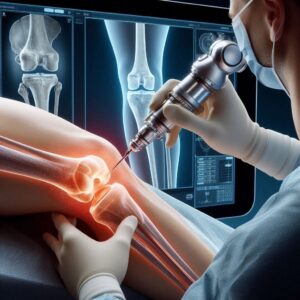
Robotic technology also enhances surgical consistency. The robot assists the surgeon by guiding instruments to the precise locations, reducing the likelihood of human error. This is particularly beneficial for complex cases where precision is critical.
However, it’s important to note that robotic knee surgery does require specialized training and comes with a higher cost. Not all hospitals or medical centers are equipped with the necessary technology, and insurance coverage can vary.
In conclusion, while traditional knee surgery remains effective and widely practiced, robotic knee surgery offers distinct advantages in precision, recovery time, and consistency. As technology continues to evolve, robotic knee surgery is poised to become increasingly popular, potentially setting new standards in orthopedic care.
Key Benefits of Robotic Knee Surgery for Patients
Robotic knee surgery has been a game-changer in orthopedic care, offering numerous benefits that are transforming patient experiences and outcomes. One of the standout advantages is increased precision. The robotic system allows surgeons to create highly accurate preoperative plans and execute with fine-tuned accuracy during the procedure. This leads to a more customized fit for implants, thereby enhancing the overall functionality and longevity of the knee joint.
Another significant benefit is the reduced risk of complications. Traditional knee surgeries rely heavily on the surgeon’s skill and experience, which can introduce variability. Robotic systems standardize many aspects of the procedure, minimizing human error and reducing the risk of post-surgical complications.
Recovery time is another area where robotic knee surgery excels. Patients often experience less pain and swelling post-surgery, thanks to minimally invasive techniques and less tissue disruption. This translates to shorter hospital stays, quicker rehabilitation, and a faster return to daily activities.
Moreover, patient-specific implants are another game-changer. Robotic knee systems can tailor the surgical approach to the unique anatomy of each patient. This personalized care results in superior joint alignment and improved joint function, leading to better long-term outcomes.
In terms of patient satisfaction, the feedback has been overwhelmingly positive. Patients report experiencing less discomfort during recovery and a greater range of motion post-surgery. This is especially beneficial for younger patients or those with active lifestyles who demand high performance from their knee joints.
Overall, the technological advancements in robotic knee surgery are making it a preferred option for both surgeons and patients, promising a new era in orthopedic care.
Real-World Applications and Success Stories in Robotic Knee Surgery
Robotic knee surgery is transforming orthopedic care with impressive real-world applications and success stories. Hospitals and clinics worldwide are increasingly adopting this advanced technology, and the results speak for themselves.
One notable success story is from the Mayo Clinic, which has utilized robotic systems to enhance surgical precision and improve patient outcomes. Patients undergoing robotic knee surgery at the Mayo Clinic have experienced quicker recovery times, less post-operative pain, and higher overall satisfaction.
Another real-world example comes from the NYU Langone Orthopedic Hospital. The institution reported that its patients who underwent robotic-assisted knee replacement surgeries had shorter hospital stays and a lower rate of complications compared to those who underwent traditional surgery.
Robotic knee surgery is also making waves in sports medicine. Athletes who undergo these procedures often return to their sport faster, thanks to the minimally invasive nature of robotic techniques. This allows for more accurate implant placement and better joint alignment, which are crucial for a swift recovery and return to peak performance.
Additionally, robotic systems are helping surgeons achieve consistent and highly personalized surgical plans. With the aid of 3D imaging and pre-surgical planning tools, surgeons can customize the procedure to the patient’s unique anatomy, reducing the risk of human error.
These success stories underline the transformative potential of robotic knee surgery. While traditional methods remain effective, the precision and efficiency provided by robotic systems are setting new standards in orthopedic care, making them an increasingly popular choice for patients and doctors alike.
Is Robotic Knee Surgery the Future of Orthopedic Care?
Robotic knee surgery is poised to revolutionize orthopedic care with its precision, efficiency, and improved patient outcomes. Leveraging advanced technology, robotic systems assist surgeons in performing highly accurate procedures, significantly reducing the margin for error. This precision results in less tissue damage, quicker recovery times, and more consistent surgical outcomes compared to traditional methods.
Patient satisfaction is notably higher with robotic knee surgery due to less postoperative pain, reduced need for revision surgeries, and faster rehabilitation. These advancements not only enhance the quality of life for patients but also translate to overall cost savings for healthcare systems with fewer complications and shorter hospital stays.
However, it’s important to acknowledge that robotic knee surgery is not without its challenges. It requires substantial investment in technology and training, and not all healthcare facilities have the resources to implement these advanced systems. Additionally, the suitability of robotic surgery depends on individual patient conditions and should be determined by a specialist.
While robotic knee surgery may not completely replace traditional methods, its growing success and benefits make it a promising option in orthopedic care. As technology continues to evolve, it is likely that robotic-assisted procedures will become more accessible, offering a new standard of care that combines human expertise with technological precision. The future of orthopedic surgery looks bright, with robotics leading the charge towards safer, more efficient, and effective treatments.