
What is the most common orthopaedic surgery?
Introduction to Orthopaedic Surgery
Orthopaedic surgery is a specialized branch of medicine focused on diagnosing, treating, and preventing conditions related to the musculoskeletal system. This vital area of healthcare deals with a variety of issues affecting bones, joints, muscles, ligaments, tendons, and nerves. These problems can arise from a multitude of causes, including injury, overuse, or degenerative diseases like arthritis.
orthopaedic surgeons are highly trained medical professionals who employ both surgical and non-surgical techniques to restore function and improve the quality of life for their patients. Common treatments range from setting broken bones and repairing torn ligaments to performing complex procedures like joint replacements.
The demand for orthopaedic surgery has been consistently on the rise, owing to an aging population, increased participation in sports, and a general increase in awareness about maintaining an active lifestyle. As more individuals seek treatment for musculoskeletal discomfort and injuries, the role of orthopaedic surgery becomes increasingly crucial.
Orthopaedic procedures are designed to address specific ailments, help reduce pain, restore mobility, and enhance the overall function of the affected body part. With advancements in medical technology, many surgeries are now done using minimally invasive techniques, which often result in quicker recovery times and less discomfort for patients.
Overall, orthopaedic surgery plays a fundamental role in modern healthcare, offering solutions that enable individuals to maintain active and healthy lives. This makes it not just an essential field for those dealing with severe injuries or chronic conditions, but also a proactive choice for those looking to sustain their overall physical well-being.
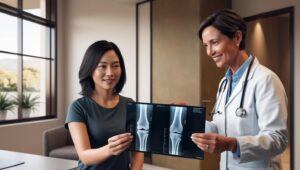
Understanding the Popularity of Orthopaedic Surgery
Orthopaedic surgeries are becoming increasingly common as more people seek expert solutions for musculoskeletal issues. This trend is driven by a variety of factors, including an aging population, increased physical activity, and advancements in medical technology. As people live longer, they often face joint wear and tear, leading to a higher demand for surgical interventions that can restore mobility and improve quality of life.
In addition to age-related issues, the rise in sports and fitness activities has contributed to a growing number of younger patients needing orthopaedic care. Athletes and active individuals are more susceptible to injuries such as ligament tears, tendonitis, and cartilage damage. These conditions often require surgical intervention to ensure a full recovery and regain optimal function.
Moreover, advancements in medical technology have made orthopaedic surgeries more accessible and less invasive. Techniques like arthroscopy have revolutionized the field by offering patients quicker recovery times, reduced scarring, and less postoperative pain. This progress not only attracts more patients seeking solutions for their discomfort but also builds trust in surgical outcomes.
The popularity of orthopaedic surgeries can be attributed to several key factors: an aging population, an increase in physical activity, and significant technological advancements. As more people prioritize maintaining an active lifestyle, the demand for effective orthopaedic solutions will likely continue to rise.
The Most Common Orthopaedic Surgery: Knee Arthroscopy
Knee arthroscopy stands as the most common orthopaedic surgery, largely due to its minimally invasive nature and effectiveness in diagnosing and treating a variety of knee problems. Unlike traditional open surgery, knee arthroscopy involves only small incisions. Surgeons use a tiny camera called an arthroscope to get a detailed view of the inside of the knee. This allows them to address issues such as torn meniscus, damaged cartilage, and ligament tears with precision.
One of the primary reasons for the popularity of knee arthroscopy is the procedure’s versatility. It can effectively treat both chronic conditions and acute injuries, making it a suitable option for a diverse range of patients, from athletes to the elderly. Additionally, knee arthroscopy is often favored because of its reduced recovery time compared to traditional surgery. Patients typically experience less pain, minimal scarring, and a faster return to daily activities, which contributes to its high demand.

Furthermore, the rise in sports-related injuries and an aging population has increased the number of knee arthroscopies performed annually. People are looking for reliable and efficient solutions to maintain their mobility and quality of life, and knee arthroscopy offers just that. Its ability to provide clear diagnostic information and successful treatment outcomes has cemented its position as the go-to procedure in orthopaedic care. As medical technology continues to advance, the effectiveness and precision of knee arthroscopies are expected to improve, further solidifying their prevalence in the medical field.
Knee arthroscopy has become one of the most frequently performed orthopaedic surgeries, and there are several reasons for its high frequency. First and foremost, knee injuries are incredibly common, affecting people of all ages and activity levels. Whether you’re an athlete who has suffered a torn meniscus or an older adult experiencing degenerative knee conditions, knee issues are prevalent and often require surgical intervention.
One of the primary reasons knee arthroscopy is such a popular procedure is its minimally invasive nature. Unlike traditional open surgeries, arthroscopy involves making small incisions and using a camera to guide the surgeon. This technique results in less pain, reduced recovery time, and lower risk of complications for patients, making it an attractive option for those facing knee problems.
Moreover, because knee arthroscopy can address a variety of conditions—including cartilage damage, ligament tears, and synovial issues—it’s a versatile procedure. This versatility allows orthopaedic surgeons to treat multiple knee problems effectively, which adds to its frequent use.
Patients and doctors also prefer knee arthroscopy due to its high success rates. When performed by skilled surgeons, the procedure can provide significant pain relief and restore mobility, improving the patient’s quality of life. Additionally, advancements in orthopaedic technology have further increased the procedure’s effectiveness, encouraging more people to opt for it.
In summary, the widespread prevalence of knee issues, coupled with the minimally invasive, versatile, and effective nature of knee arthroscopy, has solidified its place as one of the most common orthopaedic surgeries performed today.
Benefits and Risks of Knee Arthroscopy
Knee arthroscopy is a popular choice in the field of orthopaedic surgery due to its minimally invasive nature and positive outcomes. One of the main benefits is the reduced recovery time compared to traditional open surgery, allowing patients to return to their daily activities much faster. The procedure involves small incisions and the use of a tiny camera, resulting in less post-operative pain and reduced risk of infection. This precision helps in diagnosing and treating a range of knee issues, such as torn cartilage, ligament reconstruction, and removal of loose fragments.
Patients who undergo knee arthroscopy often experience notable improvements in knee mobility and a decrease in pain, significantly enhancing their quality of life. The technique’s minimally invasive approach allows for a quicker rehabilitation process, which is especially attractive to athletes and physically active individuals who want to resume their routines swiftly.
However, like any medical procedure, knee arthroscopy carries some risks. Potential complications, though rare, include infection, blood clots, or nerve damage. Some patients might experience stiffness or swelling post-surgery. It’s crucial to follow the surgeon’s recommendations for post-operative care to minimize these risks. Despite these concerns, the success rate of knee arthroscopy is high, making it a reliable option for addressing various knee problems.
In conclusion, while knee arthroscopy offers numerous benefits, it’s essential for individuals to consult with their healthcare professionals to weigh the advantages against potential risks, ensuring it aligns with their personal health needs.
The Role of Knee Arthroscopy in Orthopaedic Care
Knee arthroscopy has emerged as a cornerstone procedure in orthopaedic care, primarily due to its minimally invasive nature and effectiveness in diagnosing and treating knee issues. As a top choice among orthopaedic surgeons, it plays a pivotal role in alleviating knee pain and restoring mobility to countless patients annually.
The undeniable popularity of knee arthroscopy lies in its versatility. It is often employed to address a range of conditions, including meniscus tears, ligament injuries, and cartilage problems. By utilizing a small camera and specialized instruments, surgeons can gain a clear view of the knee joint, allowing for precise diagnosis and treatment. This approach significantly reduces recovery times compared to traditional open surgery, enabling patients to return to their daily activities more rapidly.
Furthermore, knee arthroscopy is associated with fewer complications, less post-operative pain, and minimal scarring, factors that contribute to its widespread acceptance among patients and healthcare providers alike. This procedure not only improves quality of life for individuals facing knee issues but also reduces the overall burden on healthcare systems by decreasing hospital stays and associated costs.

In summary, knee arthroscopy stands as a vital component in the realm of orthopaedic surgery. Its ability to effectively treat common knee ailments with minimal disruption to patients’ lives underscores its importance. As advances in medical technology continue, knee arthroscopy is expected to retain its prominent role, offering hope and healing to those in need of knee care.
Which body part requires the most time to heal post surgery? Read our recent article here to find out…