
A sudden wobble. A moment of instability on a wet pavement. A knee that feels like it cannot be trusted.
For many people in Cape Town, especially during the rainy season, the unsettling sensation of the knee “giving way” is more than just a minor inconvenience. It can disrupt daily routines, limit physical activity, and raise an important question: is something seriously wrong?
Understanding why this happens, and when to seek help from a knee specialist or orthopaedic surgeon, is key to preventing further injury and restoring confidence in your movement.
What Does It Mean When Your Knee “Gives Way”?
The feeling of the knee giving way is typically described as a sudden loss of stability. It may feel like the joint cannot support your weight, or that it momentarily collapses beneath you.
This is not a diagnosis in itself, but rather a symptom of an underlying issue affecting the structures that stabilise the knee.
Common Causes of Knee Instability
1. Ligament Injuries
Ligaments are strong bands of tissue that hold the knee joint together. Injuries to these structures are one of the most common reasons for instability.
- Anterior cruciate ligament injuries often occur during sudden stops or changes in direction
- Medial collateral ligament injuries may result from a direct blow or twisting motion
When these ligaments are damaged, the knee may feel loose or unreliable.
2. Meniscus Tears
The meniscus acts as a shock absorber within the knee. Tears can occur during sports, sudden movements, or even simple twisting actions.
Symptoms often include:
- Locking or catching sensations
- Pain during movement
- Intermittent instability
3. Muscle Weakness
The muscles surrounding the knee, particularly the quadriceps and hamstrings, play a vital role in stabilisation.
Weakness in these muscle groups can lead to poor joint control and a higher risk of the knee giving way.
4. Cartilage Damage
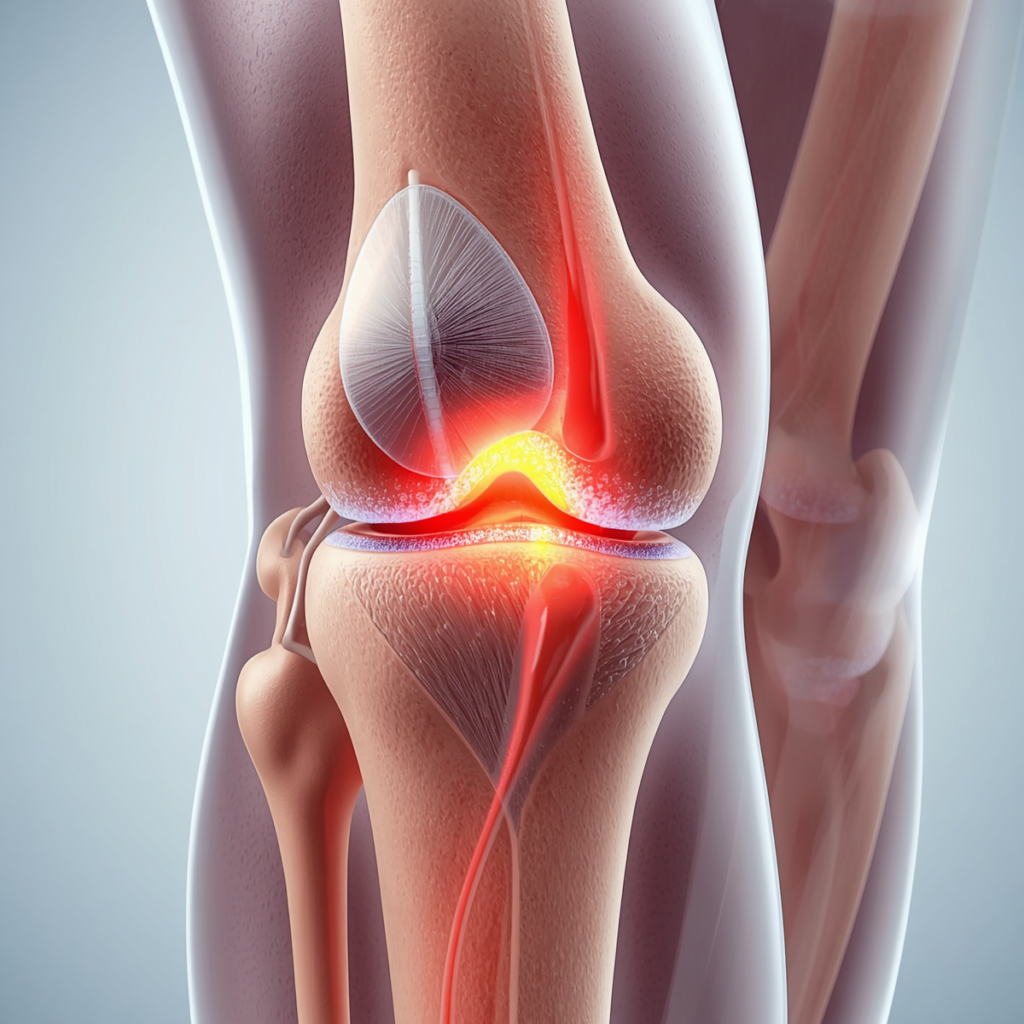
Damage to the smooth cartilage lining the joint can disrupt normal movement, causing instability and discomfort.
5. Previous Injuries
Old injuries that did not heal properly can resurface, especially during colder, wetter months when joints tend to stiffen.
Why This Is More Common in Cape Town’s Rainy Season
As April and May bring cooler temperatures and increased rainfall, several factors contribute to knee instability:
- Wet and slippery surfaces increase the risk of sudden slips
- Cold weather can reduce muscle flexibility and joint responsiveness
- Reduced activity levels can weaken supporting muscles
This combination makes knee instability more noticeable and more dangerous during this time of year.
The Hidden Risks of Ignoring Knee Instability
It is easy to dismiss a “wobbly” knee as temporary, especially if the discomfort comes and goes. However, ignoring this symptom can have serious consequences.
1. Increased Risk of Falls
An unstable knee is far more likely to give way unexpectedly, particularly on wet surfaces. Falls can lead to fractures, ligament tears, or other injuries requiring orthopaedic surgery.
2. Progressive Joint Damage
Instability places abnormal stress on the knee joint. Over time, this can accelerate wear and tear, increasing the likelihood of degenerative conditions.
3. Chronic Pain Development
What begins as occasional discomfort can evolve into persistent pain that affects daily life and sleep.
4. Reduced Mobility and Confidence
Patients often begin to avoid movement due to fear of instability. This leads to reduced strength, further worsening the problem.
5. More Complex Treatment Later
Early intervention by an orthopaedic surgeon/knee specialist often allows for simpler treatment options. Delayed care may result in the need for more advanced knee surgery.
How to Address Knee Instability Effectively
The good news is that knee instability can often be managed successfully with the right approach.
1. Accurate Diagnosis
A thorough assessment by a knee specialist is the first step. This may include:
- Physical examination
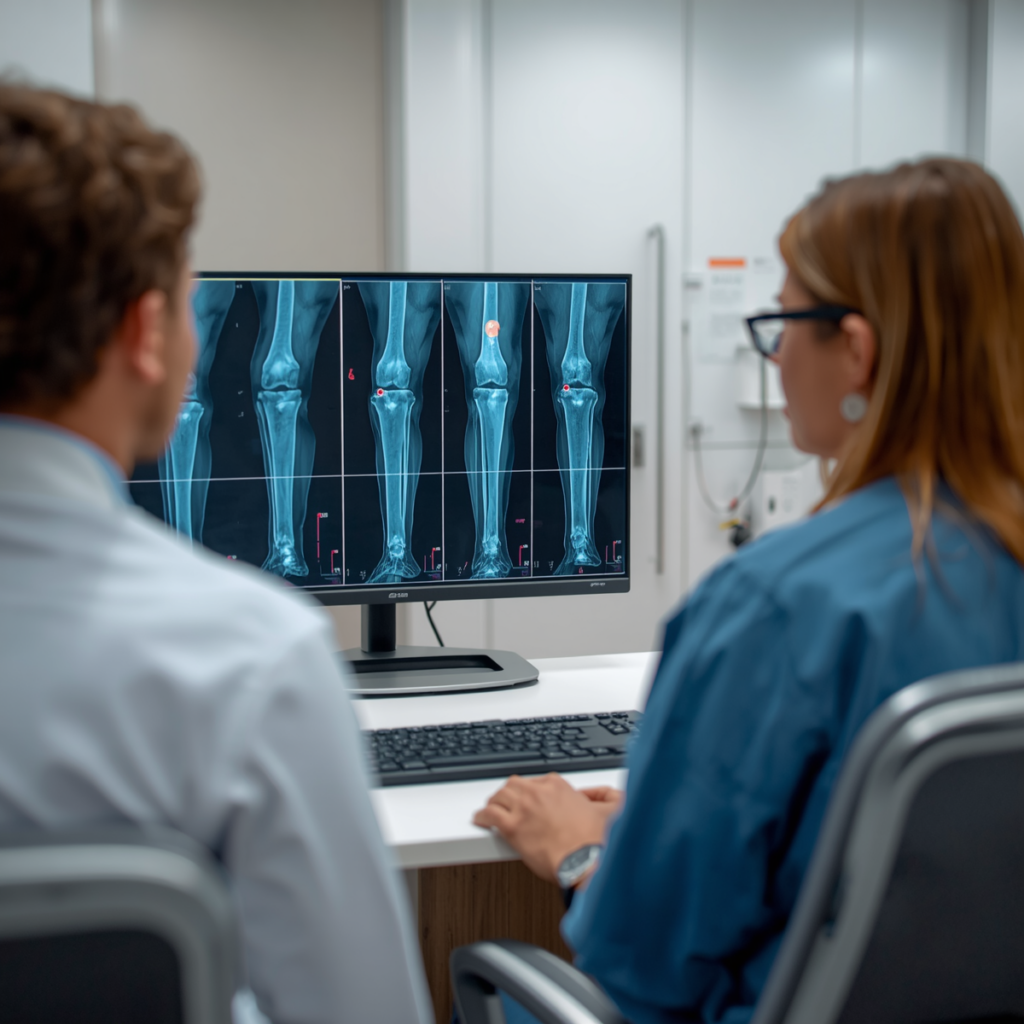
- Imaging such as X-rays or MRI scans
- Evaluation of movement and joint stability
Understanding the exact cause is essential for effective treatment.
2. Strengthening and Rehabilitation
Targeted physiotherapy can significantly improve stability by strengthening the muscles that support the knee.
Focus areas include:
- Quadriceps strengthening
- Hamstring conditioning
- Balance and coordination exercises
3. Activity Modification
Adjusting certain activities can help prevent further strain while the knee recovers.
4. Supportive Measures
Bracing or taping may provide temporary stability, particularly during physical activity.
5. When Knee Surgery Is Needed
In cases of significant ligament damage, meniscus tears, or structural issues, a knee specialist may recommend surgery.
Modern orthopaedic surgery techniques are often minimally invasive and designed to restore stability while reducing recovery time.
When Should You See a Knee Specialist?
While mild instability may improve with rest and strengthening, certain signs indicate the need for professional evaluation.
You should consider seeing a knee specialist if:
- Your knee gives way repeatedly
- You experience swelling or persistent pain
- There is a sensation of locking or catching
- You struggle to bear weight
- Symptoms do not improve after a few weeks
An experienced orthopaedic surgeon/knee specialist can determine whether conservative care is sufficient or if further intervention is required.
The Role of an Orthopaedic Surgeon in Knee Health
A qualified orthopaedic surgeon plays a critical role in diagnosing and managing knee instability.
Their approach typically includes:
- Identifying the root cause of instability
- Recommending personalised treatment plans
- Performing orthopaedic surgery when necessary
- Guiding patients through recovery and rehabilitation
For patients in Cape Town, access to a skilled knee specialist ensures that care is tailored to both lifestyle and environmental factors, including seasonal risks.
Preventing Knee Instability During the Rainy Season
Taking proactive steps can reduce the risk of your knee giving way.
- Wear shoes with good grip on wet surfaces
- Warm up properly before physical activity
- Maintain regular exercise to keep muscles strong
- Avoid sudden, high-impact movements on slippery ground
- Address minor injuries early before they worsen
Consistency is key. Small habits can make a significant difference in joint stability and overall mobility.
A Practical Perspective on Recovery
Recovery from knee instability is not always immediate. It requires a combination of:
- Patience
- Structured rehabilitation
- Professional guidance
The earlier the issue is addressed, the more straightforward the recovery process tends to be.

FAQs
1. Why does my knee suddenly give way without warning?
This is often due to ligament instability, muscle weakness, or internal joint damage affecting support.
2. Can knee instability heal on its own?
Mild cases may improve with rest and strengthening, but persistent symptoms should be evaluated by a knee specialist.
3. Is knee surgery always required?
No. Many cases can be managed without surgery, but severe structural damage may require orthopaedic surgery.
4. How long does recovery take after knee surgery?
Recovery varies depending on the procedure but typically involves several weeks to months of rehabilitation.
5. Can I still exercise if my knee feels unstable?
Low-impact exercise may be beneficial, but it is important to avoid activities that worsen instability until assessed by an orthopaedic surgeon.
A knee that keeps giving way is not something to ignore, especially during Cape Town’s rainy season when the risk of falls is higher.
By understanding the causes, recognising the warning signs, and seeking timely care from a knee specialist, you can prevent further injury and regain confidence in your movement.
Whether through rehabilitation or advanced orthopaedic surgery, the right treatment approach can restore stability and help you return to an active, pain-free lifestyle.
Cape Town orthopaedic surgeon reveals realistic timelines to surf again after shoulder, knee or hip surgery – read our recent article here…