
As Cape Town moves into its cooler, wetter months, many people notice a familiar and frustrating pattern. Knees stiffen. Shoulders ache. Hips feel less mobile. Tasks that once felt effortless suddenly require more effort and patience.
For some, this is a mild inconvenience. For others, it becomes a daily struggle that affects work, sleep, and overall quality of life.
Understanding why joint pain worsens during cold and rainy weather, and knowing when to seek help from a cape town orthopaedic surgeon, can make a significant difference in both comfort and long-term joint health.
Why Do Joints Hurt More in Cold and Rainy Weather?
If you have ever felt your knee hip shoulder pain intensify just before a cold front or rainy day, you are not alone. This is a widely reported experience among patients seeking orthopaedic care.
Several physiological factors contribute to this phenomenon:
1. Changes in Barometric Pressure
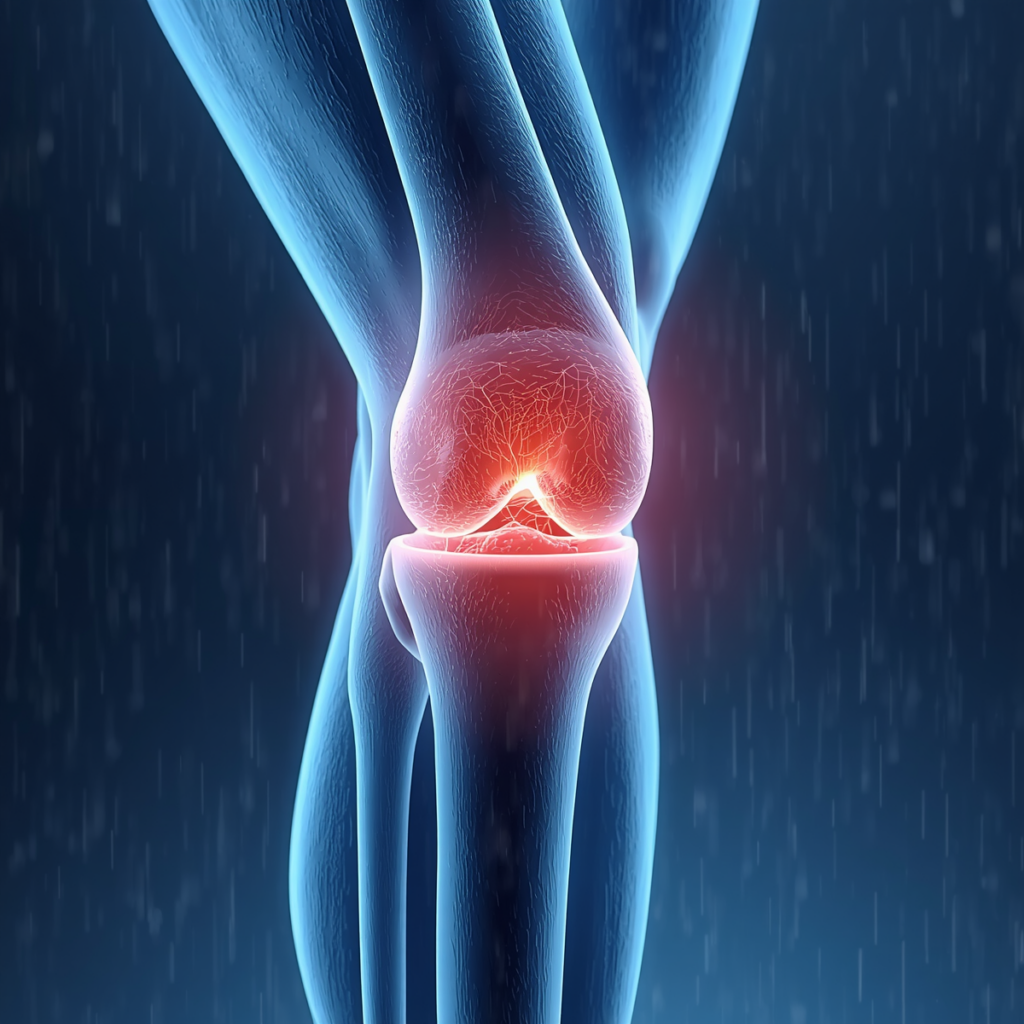
When atmospheric pressure drops, which often happens before rain, tissues surrounding joints can expand slightly. This creates increased pressure within the joint, leading to discomfort or pain, particularly in joints already affected by inflammation or degeneration.
2. Cold Temperatures and Muscle Tightness
Cold weather causes muscles, tendons, and ligaments to contract and become less flexible. This stiffness reduces joint mobility and increases strain during movement.
3. Reduced Circulation
Lower temperatures can reduce blood flow to extremities, including joints. This limits the delivery of oxygen and nutrients needed to maintain healthy joint function.
4. Increased Joint Sensitivity
Existing conditions such as osteoarthritis or previous injuries can make joints more sensitive to environmental changes.
5. Decreased Physical Activity
Rainy conditions often lead to reduced movement. Less activity can cause joints to stiffen further, creating a cycle of discomfort and immobility.
What Happens If You Ignore Seasonal Joint Pain?
While it may be tempting to dismiss cold-weather joint pain as temporary, ignoring it can lead to more serious consequences.
1. Progressive Joint Damage
Conditions like osteoarthritis do not remain static. Without proper orthopaedic care, cartilage can continue to deteriorate, leading to increased pain and reduced function.
2. Reduced Mobility and Independence
Persistent stiffness in the knee hip shoulder can make everyday activities like walking, lifting, or even dressing increasingly difficult.
3. Increased Risk of Falls and Injury
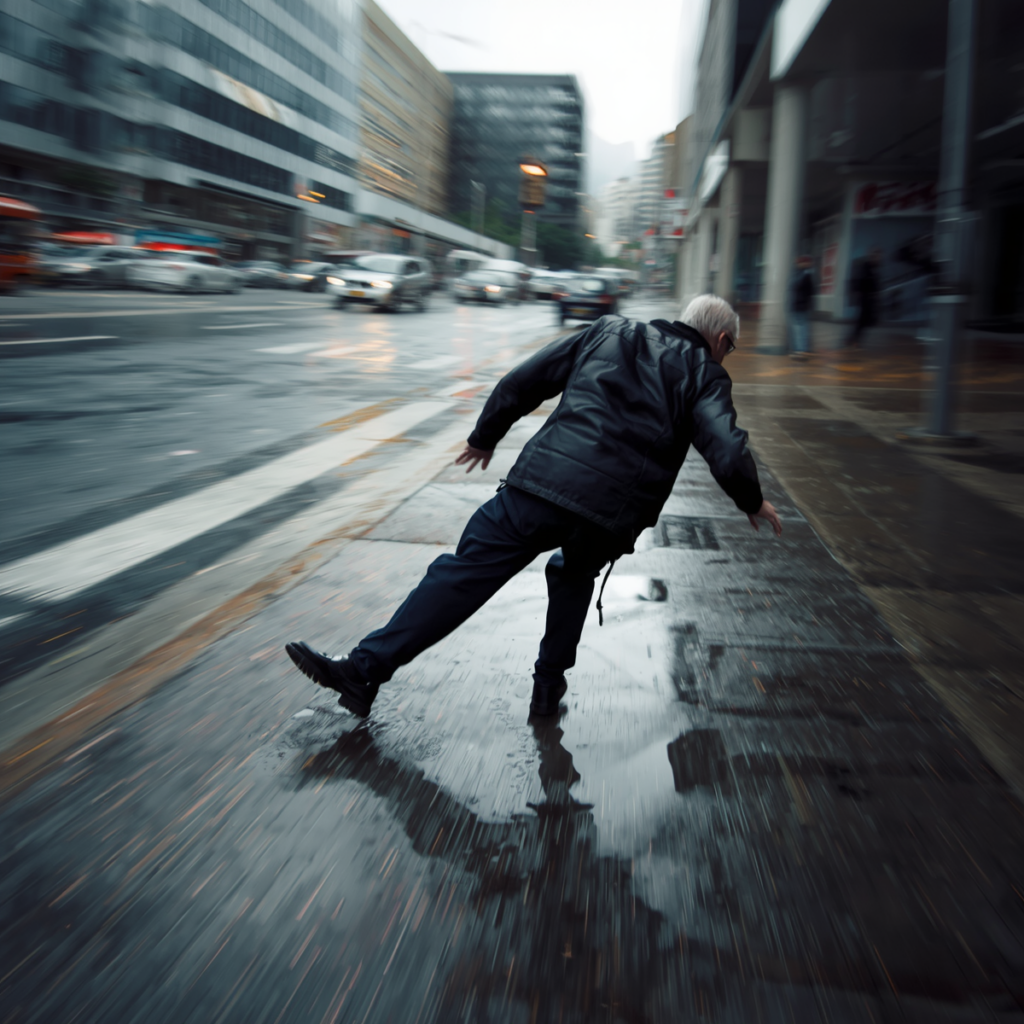
Wet surfaces during Cape Town’s rainy season significantly increase the risk of slips and falls. When combined with stiff or unstable joints, the likelihood of fractures or ligament injuries rises.
4. Chronic Pain Cycles
Pain often leads to reduced activity, which in turn worsens stiffness and weakness. This creates a cycle that becomes harder to break over time.
5. Delayed Treatment Can Limit Options
Early intervention by an orthopaedic surgeon can often prevent the need for more complex orthopaedic surgery later. Delaying care may reduce available treatment options.
How to Manage and Reduce Joint Pain in Cold Weather
The good news is that there are effective strategies to manage seasonal joint pain and protect long-term joint health.
1. Stay Active, Even Indoors
Low-impact exercises such as stretching, yoga, or stationary cycling help maintain joint flexibility and muscle strength.
2. Keep Joints Warm
Layered clothing and supportive braces can help maintain warmth around vulnerable joints, reducing stiffness.
3. Maintain a Healthy Weight
Excess weight places additional strain on weight-bearing joints such as the knees and hips.

4. Prioritise Joint-Friendly Nutrition
A balanced diet supports tissue repair and reduces inflammation.
5. Use Targeted Pain Management
Physiotherapy, anti-inflammatory strategies, and guided rehabilitation can significantly improve symptoms.
6. Seek Professional Evaluation Early
If pain persists beyond a few weeks or worsens, consulting a cape town orthopaedic surgeon is essential. Early diagnosis often leads to simpler and more effective treatment plans.
When Should You See an Orthopaedic Surgeon?
Not all joint pain requires surgery, but certain symptoms should not be ignored.
Consider seeking orthopaedic care if you experience:
- Persistent pain lasting more than two to three weeks
- Swelling, redness, or warmth around a joint
- Limited range of motion
- Instability or joint “giving way”
- Pain that interferes with sleep or daily activities
- A recent injury followed by ongoing discomfort
An experienced orthopaedic surgeon can assess whether your condition requires conservative treatment or more advanced intervention.
The Role of a Cape Town Orthopaedic Surgeon in Your Recovery
A reputable cape town orthopaedic surgeon does far more than perform orthopaedic surgery. Their role includes:
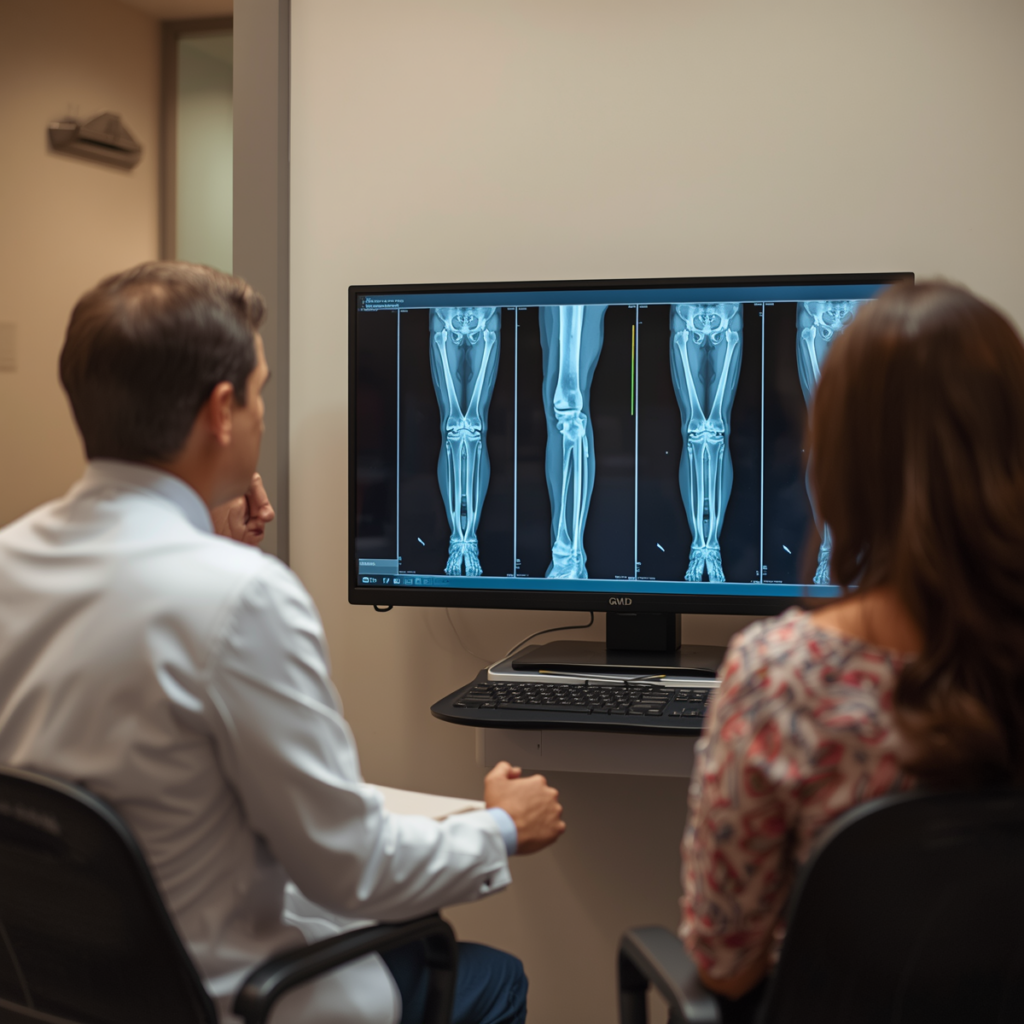
- Accurate diagnosis using advanced imaging and clinical assessment
- Personalised treatment plans tailored to your lifestyle and condition
- Non-surgical management where appropriate
- Surgical expertise when required
- Structured rehabilitation guidance for optimal recovery
For patients dealing with knee hip shoulder issues, having access to specialised orthopaedic care ensures that treatment is both effective and aligned with long-term health goals.
Understanding Common Cold-Weather Joint Conditions
Osteoarthritis
A leading cause of joint pain, particularly in older adults, where cartilage gradually wears down.
Tendonitis
Inflammation of tendons, often worsened by repetitive movement and cold-induced stiffness.
Bursitis
Inflammation of fluid-filled sacs that cushion joints, commonly affecting shoulders and hips.
Post-Injury Pain
Previous injuries often become more noticeable in colder conditions.
Each of these conditions can benefit from timely intervention and structured orthopaedic care.

Preventing Joint Pain This Rainy Season in Cape Town
Prevention is always preferable to treatment. Consider these practical tips:
- Wear supportive, non-slip footwear outdoors
- Warm up before physical activity
- Stay hydrated even in cooler weather
- Maintain regular movement throughout the day
- Avoid prolonged periods of inactivity
Small, consistent habits can significantly reduce the likelihood of pain flare-ups.
FAQs
1. Why does my joint pain worsen before it rains?
Changes in barometric pressure can affect joint tissues, increasing sensitivity and discomfort.
2. Is cold weather causing my joint damage?
Cold weather does not cause damage directly, but it can worsen symptoms of existing conditions.
3. When should I see an orthopaedic surgeon?
If pain persists for more than a few weeks or affects your daily life, it is time to seek professional evaluation.
4. Can exercise help reduce joint pain in winter?
Yes, regular low-impact exercise improves flexibility, strength, and circulation.
5. Will I always need orthopaedic surgery for joint pain?
No, many conditions can be managed with non-surgical treatments when diagnosed early.
Joint pain during Cape Town’s cold and rainy months is more than just a seasonal annoyance. It is often a signal from your body that something needs attention.
By understanding the causes, recognising warning signs, and seeking timely orthopaedic care, you can take control of your joint health and maintain an active, pain-free lifestyle.
If symptoms persist, consulting a qualified orthopaedic surgeon can provide clarity, relief, and a clear path forward.
Expert tips from a Cape Town orthopaedic surgeon shares to prevent shoulder, knee, and hip injuries while surfing – read our recent article here…