
Stay Pain-Free & Avoid Shoulder Injuries This Summer in Cape Town
As November rolls in and Cape Town shakes off the last chills of winter, the beaches come alive, the trails fill with hikers, and the ocean calls to surfers, paddlers, and swimmers. Summer here means freedom, longer days at Muizenberg or Llandudno, weekend hikes up Table Mountain, or pickup games of beach volleyball. But for many active Capetonians, this burst of activity also brings a familiar ache: shoulder pain that starts as a niggle and can quickly sideline your plans.
If you are noticing sharpness when reaching for a wave, weakness throwing a frisbee, or pain that wakes you at night after a day in the water, you are not alone. As a shoulder specialist practising in Cape Town, I see a predictable surge in patients every summer with overuse and traumatic shoulder issues. The good news? Most of these problems are preventable, and even when they happen, expert orthopaedic care can get you back to the activities you love faster than you might think.

Why Summer in Cape Town Is Tough on Shoulders
Cape Town’s summer lifestyle is shoulder-intensive. Paddling out at Big Bay, swimming laps in the Sea Point pool, hiking Lion’s Head with a backpack, or serving in summer tennis leagues all involve repetitive overhead motions or sudden impacts. Add in the enthusiasm of getting fit after winter hibernation, and the recipe for trouble is complete.
The most common culprits I treat as a Cape Town orthopaedic surgeon include:
- Shoulder impingement and rotator cuff tendinitis: Often called “paddler’s shoulder” or “swimmer’s shoulder”. The repetitive overhead reach compresses the tendons, leading to inflammation.
- Rotator cuff strains or partial tears: From the thousands of paddle strokes in a single surf session.
- Labral injuries and instability: Especially in younger patients after falls on outstretched arms during beach sports or wipeouts.
- Acute dislocations or subluxations: More common with contact in volleyball or rugby on the beach.
- Bursitis and biceps tendon irritation: Flare-ups from sudden increases in activity.
These issues hit everyone from weekend warriors to competitive athletes. Without attention, a minor irritation can progress to a full tear requiring shoulder surgery.
The Real Cost of Ignoring Summer Shoulder Pain
It is tempting to “push through” when the weather is perfect and the waves are firing. But ignoring early warning signs has consequences.
Pain that starts during a surf session can become constant, disturbing sleep and making everyday tasks like driving along Chapman’s Peak or carrying groceries difficult. Weakness develops, so simple overhead reaches become impossible. Over time, compensatory patterns strain your neck, back, or elbow.
In my practice as a shoulder surgeon Cape Town, I have seen patients miss entire summers: no more surfing Kommetjie, no hiking with friends, no swimming with kids at Camps Bay. For professionals like coaches or tradies, it means time off work. And if a rotator cuff tear goes untreated, the damage can become irreparable without complex orthopaedic surgery.
The urgency is real, especially here where our outdoor lifestyle is part of who we are. Early intervention from a dedicated shoulder specialist preserves your shoulder health and keeps you active year-round.
Your Step-by-Step Framework to Protect and Heal Your Shoulders This Summer
Here is the practical, evidence-based approach I give patients for staying strong and pain-free.
1. Build a Bulletproof Pre-Season Foundation
Prevention beats cure every time.
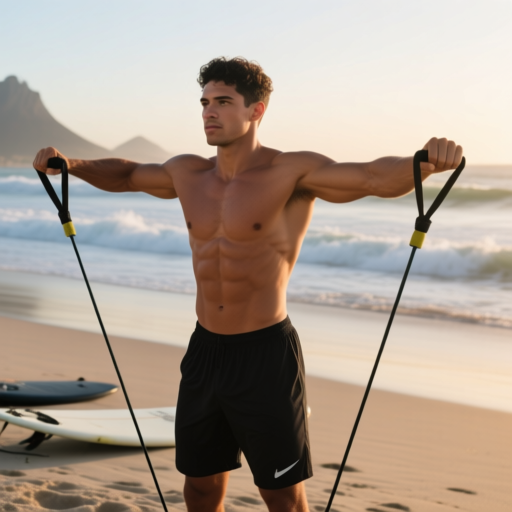
- Warm up properly: Never jump straight into cold water or a hard paddle. Five to ten minutes of dynamic arm circles, band pull-aparts, and light swimming primes the rotator cuff.
- Strengthen smartly: Focus on rotator cuff endurance and scapular control. Exercises like external rotations with bands, Y-T-W raises, and face pulls counter the forward posture many of us have from desk work.
- Improve technique: Poor paddling or swimming form is the number one cause of overload. A few sessions with a coach can correct dropped elbows or excessive crossover.
- Gradual progression: If you have been inactive over winter, do not go from zero to five surf sessions a week. Build volume by no more than 10 percent weekly.
2. Listen to Your Body During Activity
- Use the “talk test”: If you cannot hold a conversation while paddling or hiking, ease off.
- Alternate strokes or take micro-breaks: In surfing, mix prone paddling with sitting on the board.
- Stay hydrated and fuel properly: Dehydration and low energy make muscles fatigue faster.
3. Early Treatment When Pain Starts
If pain persists more than a few days:
- Rest from aggravating activities, but keep gentle movement.
- Ice for 15 minutes several times daily.
- Anti-inflammatory medication if appropriate (check with your pharmacist).
- Book with a shoulder specialist sooner rather than later. Accurate diagnosis with ultrasound or MRI prevents small problems becoming big ones.
In my orthopaedic care practice, 80 percent of summer shoulder patients avoid shoulder surgery with targeted physiotherapy, activity modification, and occasional cortisone injections guided precisely under ultrasound.
For those needing it, modern keyhole shoulder surgery (arthroscopic decompression, rotator cuff repair, or stabilisation) has excellent outcomes. Patients are often driving within days and back in the water within months.
Specific Tips for Cape Town’s Favourite Summer Activities
Surfing and Paddle Sports
Surfers spend up to 60 percent of their time paddling, repetitive strain personified. Strengthen external rotators twice weekly, stretch pecs and lats daily, and consider a slightly wider stance on the board to reduce shoulder torque.

Open-Water Swimming
Bilateral breathing and high-elbow catch reduce impingement risk dramatically. Add dry-land work for serratus anterior and lower traps.
Hiking Table Mountain Trails
Carry weight symmetrically, use trekking poles to offload shoulders, and strengthen with farmer carries beforehand.
Beach Volleyball and Tennis
Warm up the decelerators (external rotators) extra well. Sudden overhead smashes are classic dislocation triggers in unstable shoulders.
When to See a Shoulder Surgeon Cape Town
Red flags that warrant prompt orthopaedic care:
- Pain at night or rest
- Weakness lifting everyday objects
- Clicking, catching, or feeling of instability
- Swelling or bruising after trauma
As an experienced Cape Town orthopaedic surgeon focusing exclusively on shoulders, I use the latest diagnostic tools and minimally invasive techniques to get precise answers quickly.
Enjoy Your Cape Town Summer Shoulder-Smart
Our city offers one of the best outdoor lifestyles in the world. A little preparation and respect for your shoulders lets you enjoy it fully, without the frustration of injury.
Stay strong, warm up, progress sensibly, and seek expert orthopaedic surgery advice early if needed. Your shoulders will thank you, and you will be catching waves, summiting peaks, and playing beach bat till sunset all summer long.
Have a fantastic, pain-free Cape Town summer!
FAQs About Summer Shoulder Injuries in Cape Town
- What is the most common shoulder injury for Cape Town surfers?
Repetitive paddling leads to shoulder impingement and rotator cuff tendinitis in most cases. Early physiotherapy and technique tweaks usually resolve it without shoulder surgery. - How can I tell if my shoulder pain needs a shoulder specialist?
If pain lasts more than a week despite rest and ice, or if you have weakness, night pain, or instability, consult a Cape Town orthopaedic surgeon for assessment. - Can I keep swimming or surfing with mild shoulder pain?
Mild discomfort may settle with modified training, but continuing full volume often worsens damage. A shoulder surgeon Cape Town can guide safe return-to-sport plans. - Are shoulder injuries from summer sports more common in certain age groups?
Overuse tendinitis hits 30-50 year olds hardest, while instability and labral tears are more common under 30. Orthopaedic care tailors treatment to age and goals. - How long is recovery after arthroscopic shoulder surgery in Cape Town?
Most patients drive within a week and return to non-contact activities in 6-12 weeks. Full surfing or overhead sports typically take 4-6 months with dedicated rehab.
Prevent painful knee injuries this Cape Town summer – read our recent article here…