
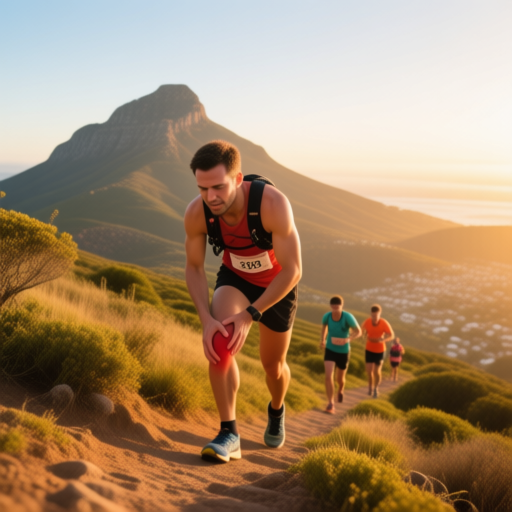
November in Cape Town signals the start of endless outdoor adventures. The trails on Table Mountain buzz with runners, beaches host pickup soccer and rugby games, and hiking groups tackle Lion’s Head at sunset. The weather is perfect, the days are long, and suddenly everyone ramps up their activity after a quieter winter. As a Cape Town orthopaedic surgeon with a focus on knee conditions, I love this energy, but I also see the downside: a sharp rise in knee injuries that can derail your summer plans.
Whether you are a weekend trail runner chasing views from Skeleton Gorge, a social rugby player in the suburbs, or someone finally committing to that Two Oceans training, your knees take a beating from sudden increases in load, uneven terrain, and high-impact twists. The challenge is real: many active Capetonians push through the early warning signs of knee injuries, turning minor issues into problems that require advanced orthopaedic surgery.
The Hidden Surge of Summer Knee Problems in Cape Town
Summer knees face unique stresses here. Trail running on technical paths like Pipe Track or India Venster involves downhill pounding and twisting. Beach soccer or touch rugby on soft sand creates unstable footing, perfect for awkward landings. Hiking with a pack loads the joints, while cycling up Signal Hill or playing tennis on hard courts adds repetitive strain.
Common summer knee injuries I treat as a knee specialist include:
- ACL tears or sprains: From sudden pivots in soccer or rugby tackles.
- Meniscus tears: Twisting on uneven trails or during beach volleyball jumps.
- Patellofemoral pain (runner’s knee): Front-of-knee ache from increased running mileage.
- IT band syndrome: Lateral knee pain in runners and cyclists from tight tissues.
- Patellar tendinopathy (jumper’s knee): Overuse from explosive movements in sports.
These are not rare. Studies on South African trail runners show the knee is the most affected area, with nearly 30 percent of running-related injuries hitting there. Rugby and soccer players face similar risks, with ligaments bearing the brunt.
What Happens If You Ignore That Niggling Knee Pain?
It starts innocently: a twinge after a long hike, stiffness the morning after rugby, or sharpness going downstairs. Many tough it out, thinking rest over winter will fix it. But left unchecked, consequences mount quickly.
Swelling builds, stability decreases, and simple walks along the Sea Point Promenade become uncomfortable. Chronic inflammation can lead to cartilage damage, accelerating osteoarthritis. An unstable knee from a partial ACL tear risks a full rupture, turning a few weeks off into months of rehab, or even knee surgery.
For many patients, it means missing the Cape Town summer highlights: no more sunset runs, no beach sports with friends, no family hikes. Professionals like teachers or guides lose income. Worse, compensatory habits overload hips or ankles, creating new problems. As a surgeon Cape Town wait, no, as an experienced Cape Town orthopaedic surgeon specialising in knees, I have seen enthusiastic athletes sidelined for entire seasons because they waited too long before treating knee injuries. Early orthopaedic care changes that trajectory dramatically.
A Practical Framework to Keep Your Knees Happy All Summer
The good news? Most summer knee injuries are preventable, and even when they occur, structured management gets you back faster. Here is the step-by-step approach I recommend to patients.
1. Prepare Your Knees Before the Season Hits
Do not go from the couch to Constantia trails overnight.
- Warm up dynamically: Spend 10 minutes with leg swings, high knees, and lunges to lubricate joints and activate muscles.
- Build strength and balance: Focus on quads, hamstrings, glutes, and calves. Exercises like single-leg squats, Romanian deadlifts, and lateral band walks correct imbalances that lead to injury.
- Improve proprioception: Use wobble boards or stand on one leg with eyes closed, crucial for uneven Cape Town terrain.
- Choose proper footwear: Trail shoes with grip for mountains, supportive runners for roads.
2. Train Smarter During Activities
- Follow the 10 percent rule: Increase weekly mileage or intensity gradually.
- Cross-train: Mix running with swimming at Camps Bay or cycling to reduce impact.
- Strengthen the chain: Core and hip work prevents knee valgus (inward collapse) during landing or cutting.
- Use trekking poles on hikes: They offload knees by up to 25 percent on descents.
3. Recognise and Respond to Early Warnings
At the first sign of pain:
- Apply RICE: Rest, Ice, Compression, Elevation.
- Modify activity: Switch to low-impact like pool running.
- See a knee specialist promptly for accurate diagnosis, often with ultrasound or MRI.

In my orthopaedic care clinic, the majority of summer patients avoid knee surgery through targeted physiotherapy, bracing, ultrasound-guided injections, or activity guidance. For meniscus tears or ACL issues, modern arthroscopic orthopaedic surgery is minimally invasive, with many walking the same day and running again in months.
Tailored Advice for Cape Town’s Top Summer Pursuits
Trail Running and Hiking
Downhills destroy knees if quads are weak. Eccentric quad exercises (slow lowering) build resilience. Hydrate well, heat dehydrates tissues faster.
Soccer and Beach Rugby
Sudden direction changes scream ACL risk. FIFA 11+ warm-up program cuts injuries significantly, do it before every session.
Cycling and Tennis
Hard courts and hills cause patellar issues. Bike fits prevent overload, and glute strengthening keeps IT band happy.
General Outdoor Sports
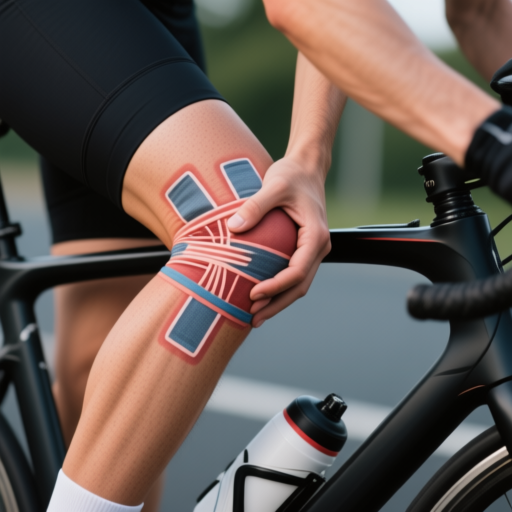
Wear a light knee sleeve for support on long days, and stretch hamstrings and calves daily, tight ones pull on knees.
When It’s Time to Consult a Knee Specialist in Cape Town
Seek expert help if you experience:
- Swelling that lasts days
- Giving way or instability
- Locking or catching
- Pain that disrupts sleep or stairs
As a dedicated Cape Town orthopaedic surgeon performing advanced knee surgery, I use keyhole techniques for repairs, reconstructions, and realignments that minimise scarring and speed recovery. Patients often return to trails or fields stronger than before.
Make This Your Best, Pain-Free Cape Town Summer Yet
Cape Town’s summer is too good to spend on the couch nursing knee injuries. With smart preparation, listening to your body, and timely orthopaedic care, you can chase sunsets up Platteklip Gorge, score goals on Clifton beach, or log miles on the peninsula trails without setback.
Stay proactive, train wisely, and enjoy every moment of our incredible outdoor playground.
Have an active, injury-free summer!
FAQs About Summer Knee Injuries in Cape Town
- What are the most common knee injuries for Cape Town trail runners?
Patellofemoral pain or runner’s knee tops the list, followed by IT band syndrome and meniscus issues from downhill stress. A knee specialist can diagnose quickly and guide prevention. - How can I prevent ACL tears playing summer rugby or soccer?
Use structured warm-ups like FIFA 11+, strengthen hamstrings and glutes, and avoid playing fatigued. If instability occurs, early orthopaedic care prevents full tears requiring knee surgery. - Is knee pain after hiking normal, and when should I worry?
Mild soreness is common, but persistent swelling, giving way, or pain lasting over a week needs a Cape Town orthopaedic surgeon evaluation to rule out meniscus damage. - Can I continue running with mild IT band pain in summer?
Reduce mileage, foam roll, and strengthen hips. Most cases resolve without orthopaedic surgery, but a knee specialist ensures it does not worsen. - How long is recovery after knee arthroscopy in Cape Town?
For simple procedures like meniscus trim, patients walk immediately and return to sport in 4-8 weeks. ACL reconstruction takes 6-12 months, but modern techniques speed progress with expert rehab.
Expert tips from a Cape Town orthopaedic surgeon to prevent shoulder, hip, and knee injuries while surfing – read our recent article here…