
Understanding a Rotator Cuff Tear
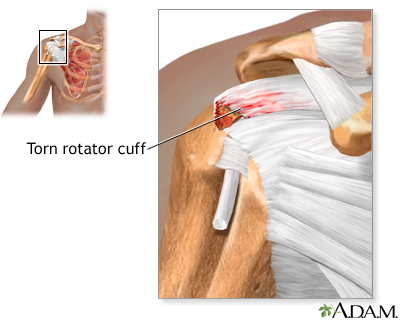
Rotator cuff tear is a condition that can affect the tendons, muscles, and bursae of the shoulder. It can occur in one or both shoulders.
What are the warning signs of a rotator cuff tear?
A rotator cuff tear is one of the most commonly injured shoulder conditions, with many causes and symptoms that are often not easy to spot. It can cause pain, weakness, and instability in the shoulder joint. Signs of a rotator cuff tear include: persistent pain or numbness in the shoulder, shoulder weakness or instability while doing daily activities like sleeping or driving, clicking sensation in the shoulder, loss of shoulder movement, and swelling.
Signs & Symptoms
-
Pain while resting, especially when lying on the affected shoulder.
-
Pain when lifting or lowering the arm during specific movements.
-
Weakness when lifting or rotating the arm.
-
A “cracking” sensation when moving the shoulder a certain way.
How long does it take heal?
Many people suffer from rotator cuff tears, but they usually heal on their own. It can take up to six months for a full recovery, so there’s no need to stress out if you’re in pain.
Rotator cuff tears are common injuries that occur in athletes who participate in a variety of sports. It’s important to know the healing times for these injuries so your athlete knows when he or she is ready to return to his or her sport.
How do I know if I have damaged my rotator cuff?
With the tremendous amount of physical activity that people take part in these days, it is not surprising that injuries such as a strained or torn rotator cuff are on the rise. The rotator cuff is a group of four muscles and tendons that act like pulleys to move your arm up-and-down and make you turn your head. These muscles can be easily injured by overusing your arm during activities such as manual labor. This causes the rotator cuff muscles to strain, tear, or even rupture. What is a Rotator Cuff Injury? A rotator cuff injury can happen when an individual’s shoulder becomes out of alignment, which can cause impingement of the rotator cuff muscles and tendons by overusing the arm

In Need Of An Expert Opinion?
Contact Dr CL Steyn, leading Cape Town Orthopaedic Surgeon Today For a Consultation and Specialist Diagnosis and Treatment Plan.
What happens if a rotator cuff injury goes untreated?
An injury to the rotator cuff is one of the most common injuries that occur in the shoulder. The rotator cuff is a group of muscles and tendons that work together to stabilize the shoulder joint. It’s important for these muscles, tendons, and ligaments to stay healthy for proper function. However, if a person neglects his or her health and doesn’t seek treatment soon enough, there is a higher risk for long-term pain and disability. Symptoms can vary depending on the type of injury, but often include shoulder pain that worsens with activity, decreased range of motion in the shoulder joint, and muscle weakness around the shoulder.
What Exercises Can I Do With a Torn Rotator Cuff?
Torn rotator cuffs are a common injury that can happen to anyone, no matter how fit or active they are. The injury typically happens as a result of an overuse injury or from a sudden impact. As such, proper care should be taken to prevent additional injuries and the best exercises for torn rotators are the following :
-
Standing Row. A simple exercise to help strengthen your rotator cuff muscles is the standing row.
-
Internal Rotation.
-
Crossover Arm Stretch.
-
Posterior Stretch.
-
Pendulum swing.
-
Chest Exercises.
-
Dip Movements.
Long-term effects of torn rotator cuff
Symptoms of chronic rotator cuff tears, which usually go on for a long period of time, include: Pain that worsens at night and can hinder sleep. Progressive weakness with increasing pain. Reduced ability to move your arm in certain directions.
Treatment Options for Rotator Cuff Tear
Rotator cuff tears are a common injury and can be treated with surgery, physical therapy, or both.
Treatment options for rotator cuff tear:
– Surgery: This is the most common treatment option for rotator cuff tears. In this procedure, the torn part of the tendon is removed and replaced with a tendon graft.
– Physical Therapy: Physical therapy focuses on strengthening muscles around the shoulder joint to help reduce pain and improve function. It can also include other treatments like electrical stimulation and ultrasound.

Rotator cuff tear causes
Repetitive overhead activity or prolonged bouts of heavy lifting can irritate or damage the tendon. The rotator cuff can also be injured in a single incident during falls or accidents.
Testing Rotator Cuff Tear at Home
In this test you begin by placing the injured arm behind your back, with the back of your hand resting on you lower back. Now try to raise your arm off of your back.. If you feel pain or weakness when trying to lift your hand off of your back, that is a sign that there could possibly be rotator cuff injury involved.
Rotator cuff tear test
A doctor might request one of several imaging tests to diagnosis your torn rotator’s cuff such as an x-ray, ultrasound, or magnetic resonance imaging(MRI). X-rays won’t show a torn rotator cuff but can rule out other causes of pain, such as bone spurs.