
As the crisp air of Cape Town’s Autumn settles in and rainy days become more frequent, many people begin to notice an unwelcome shift in their bodies. Movements feel slower. Stiffness lingers longer. And for some, a dull ache in the hip becomes increasingly difficult to ignore.
It often starts subtly. Getting up from a chair takes a moment longer. Walking uphill feels uncomfortable. Sleeping on one side becomes a challenge. Over time, what seemed like minor discomfort can evolve into persistent pain that interferes with daily life.
If your hip hurts more in cold weather, you are not imagining it. This is a common concern that brings many patients to a hip specialist or orthopaedic surgeon, particularly during the cooler months in Cape Town.
Understanding why this happens, what it could mean, and when to seek help can make all the difference in protecting your mobility and long-term joint health.
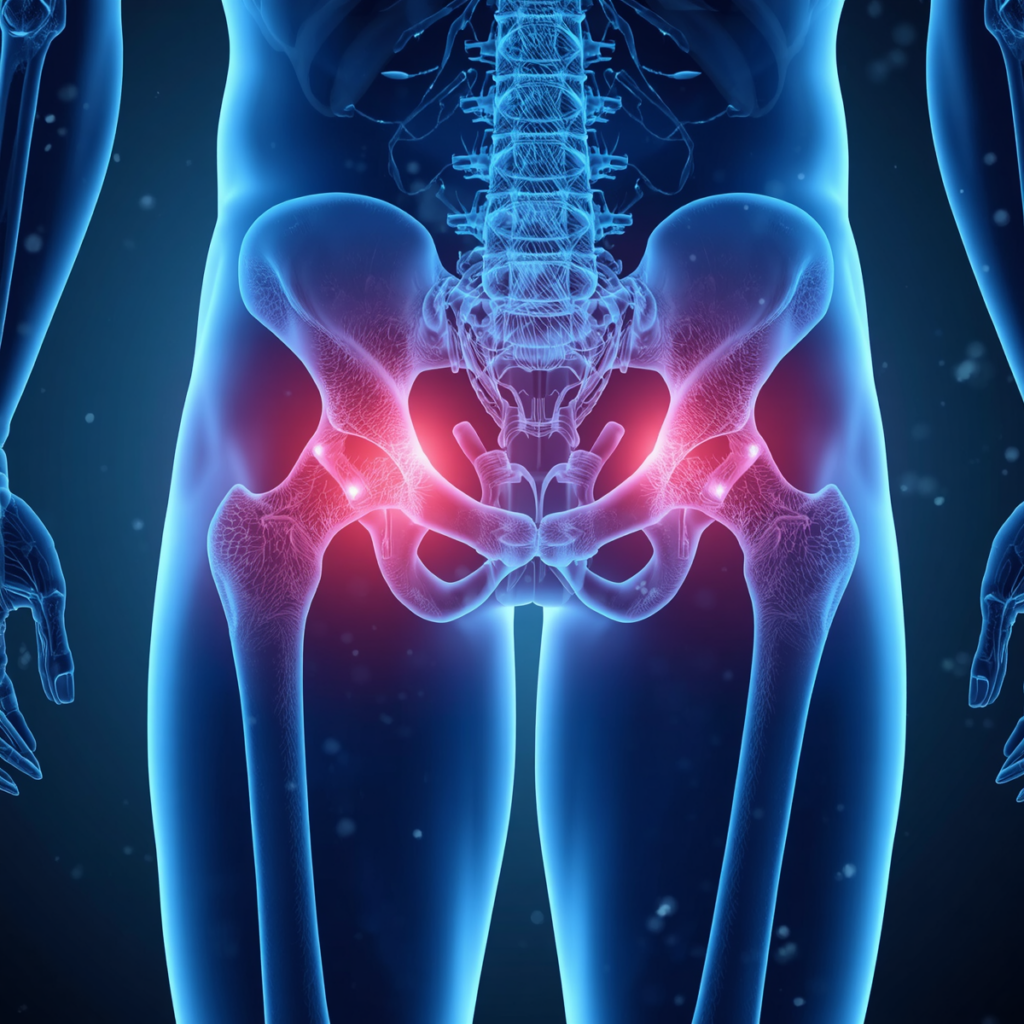
Why Does Hip Pain Get Worse in Cold Weather?
The hip is one of the body’s largest and most important joints. It supports weight, enables movement, and plays a central role in nearly every physical activity, from walking to sitting to sleeping.
When cold weather arrives, several physiological changes can affect how this joint feels and functions.
1. Reduced Blood Flow
Cold temperatures can cause blood vessels to constrict. This reduces circulation to muscles and joints, which may increase stiffness and discomfort.
2. Muscle Tightness
In cooler conditions, muscles and tendons tend to contract and become less flexible. This places additional strain on the hip joint, especially during movement.
3. Joint Fluid Changes
Synovial fluid, which lubricates joints, may become slightly thicker in colder temperatures. This can reduce smooth movement and increase friction within the joint.
4. Increased Sensitivity in Existing Conditions
If you already have underlying issues such as arthritis, bursitis, or previous injuries, cold weather can amplify pain signals and inflammation.
5. Reduced Activity Levels
Rainy weather often leads to more time indoors and less physical activity. Reduced movement can cause joints to stiffen, making hip pain more noticeable.
Common Symptoms Patients Experience
Patients who visit a hip specialist often describe:
- Stiffness when standing up after sitting
- Pain in the groin, outer hip, or buttock area
- Discomfort when walking or climbing stairs
- Pain when lying on one side
- A dull ache that worsens in cold or damp conditions
These symptoms can vary in intensity but often share one thing in common, they tend to worsen during Cape Town’s colder, wetter months.
What Happens If You Ignore Hip Pain?
It can be tempting to dismiss seasonal hip pain as temporary or harmless. However, untreated hip issues can progress and lead to more serious complications.
1. Progressive Joint Degeneration
Conditions like osteoarthritis can worsen over time. Without proper orthopaedic care, cartilage may continue to break down, increasing pain and reducing mobility.
2. Altered Movement Patterns
When the hip is painful, the body compensates. This can lead to abnormal walking patterns, placing strain on the knees and lower back.
3. Increased Risk of Falls
Cape Town’s rainy season brings slippery pavements and uneven surfaces. Combined with hip stiffness or weakness, this significantly increases the risk of falls.
4. Sleep Disruption
Night-time hip pain can interfere with rest, leading to fatigue and reduced overall wellbeing.
5. Limited Treatment Options Over Time
Early intervention by a hip specialist often allows for conservative management. Delayed care may result in the need for more complex procedures, including hip surgery.

How to Manage Hip Pain During Cold Weather
The good news is that there are effective strategies to manage hip pain and maintain joint health, even during colder months.
1. Keep Moving
Regular movement is essential for joint health. Gentle exercises such as walking, stretching, or low-impact workouts can help maintain flexibility and strength.
2. Stay Warm
Keeping the hip area warm can reduce muscle stiffness and improve comfort. Layered clothing and warm compresses can be beneficial.
3. Strengthen Supporting Muscles
Strong muscles around the hip provide stability and reduce strain on the joint. Targeted exercises can improve function and reduce pain.
4. Maintain a Healthy Weight
Excess weight places additional stress on the hip joint, particularly during weight-bearing activities.
5. Seek Early Assessment
If pain persists or worsens, consulting a hip specialist is essential. Early diagnosis can prevent progression and improve outcomes.

When Is It Time to See a Hip Specialist?
While occasional stiffness may be manageable, certain symptoms should not be ignored.
Consider seeing a hip specialist or orthopaedic surgeon if you experience:
- Persistent pain lasting more than a few weeks
- Difficulty walking or limping
- Pain that disrupts sleep
- Reduced range of motion
- Pain that worsens despite rest
A professional hip specialist/surgeon can assess your condition and recommend the most appropriate course of action.
Treatment Options: From Conservative Care to Hip Surgery
Not all hip pain requires surgery. In fact, many cases can be managed effectively with non-surgical approaches.
Non-Surgical Options
- Physiotherapy and rehabilitation
- Activity modification
- Pain management strategies
- Strength and mobility programs
When Hip Surgery Is Considered
In more advanced cases, hip surgery may be recommended to restore function and relieve pain.
Modern orthopaedic surgery techniques are designed to:
- Improve joint alignment
- Repair damaged structures
- Replace severely worn joints when necessary
The decision to proceed with surgery is always based on careful evaluation by a hip specialist and orthopaedic surgeon and tailored to the individual patient.
The Role of a Hip Surgeon in Cape Town
A qualified hip specialist provides more than surgical expertise. Their role includes:
- Comprehensive diagnosis and assessment
- Personalised treatment planning
- Guidance through both non-surgical and surgical options
- Ongoing support during recovery
For patients navigating hip pain during Cape Town’s colder months, access to experienced orthopaedic care ensures a balanced, evidence-based approach to treatment.

Preventing Hip Pain This Rainy Season
Prevention is always preferable to treatment. Consider these practical steps:
- Wear supportive, non-slip footwear outdoors
- Warm up before physical activity
- Avoid prolonged sitting without movement
- Maintain consistent exercise habits
- Address minor discomfort early
These small adjustments can help protect your hip joint and reduce the likelihood of pain flare-ups.

A Realistic Perspective on Recovery
Recovery from hip pain depends on the underlying cause, but one principle remains consistent, early action leads to better outcomes.
With the right combination of professional guidance, lifestyle adjustments, and when necessary, orthopaedic surgery, many patients regain mobility and return to the activities they enjoy.
FAQs
1. Why does my hip hurt more in winter?
Cold weather can cause muscle stiffness, reduced circulation, and increased sensitivity in existing joint conditions.
2. When should I see a hip specialist?
If pain persists for more than a few weeks or affects your daily activities, it is advisable to seek professional evaluation.
3. Can hip pain go away on its own?
Mild cases may improve with rest and exercise, but persistent pain should be assessed by a hip specialist.
4. Is hip surgery always necessary?
No, many conditions can be managed without surgery. Hip surgery is typically recommended for more advanced or severe cases.
5. How can I prevent hip pain during cold weather?
Stay active, keep warm, maintain strength, and address symptoms early to prevent worsening conditions.
Hip pain during Cape Town’s colder months is more than just a seasonal inconvenience. It is often a signal that your body needs attention.
By understanding the causes, recognising warning signs, and seeking timely care from a hip specialist, you can take control of your joint health and maintain an active lifestyle.
If symptoms persist, consulting an experienced orthopaedic surgeon or hip specialist can provide clarity, relief, and a clear path forward.
Cape Town surgeon explains knee, hip and shoulder joint instability – read our recent article here…